
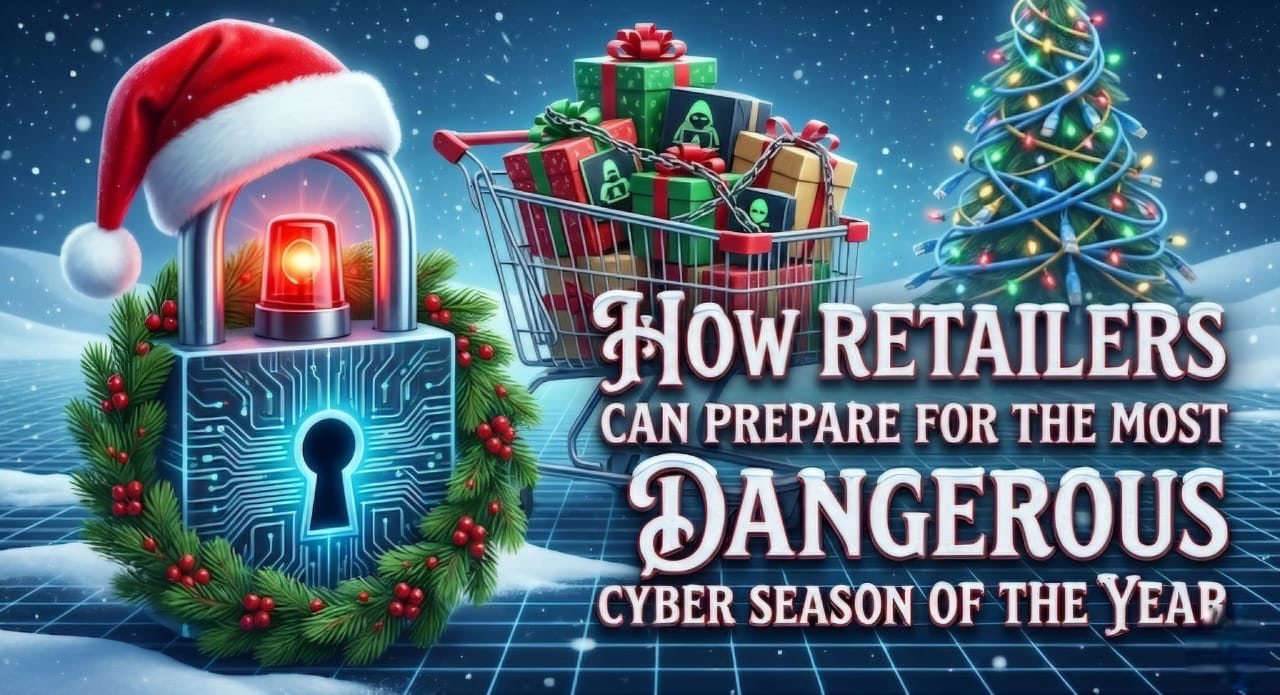
The holiday season may be the most profitable time for retailers—but it’s also the most dangerous from a cybersecurity perspective. As shopping traffic spikes, attackers take advantage of overloaded systems, lean security teams, and rushed customers to launch large-scale automated attacks.
Industry threat reports confirm that credential stuffing, bot-driven fraud, and account takeover (ATO) attacks surge during peak shopping periods, especially around Black Friday and Christmas. Attackers often prepare their tools days or weeks in advance to strike when traffic is highest.
Why Credentials Are the Biggest Target
Credential stuffing works because it scales easily. Hackers take leaked username-password combinations from past breaches and automatically test them against retail login pages and mobile apps. Once successful, they gain access to:
- Stored payment cards
- Loyalty balances
- Shipping addresses
- Personal customer data
These assets can be monetized instantly.
History also shows that third-party access can be just as dangerous. The famous Target breach (2013) started with stolen credentials from a vendor, which gave attackers access to internal systems and POS machines—leading to massive card theft.
Protecting Customer Accounts Without Hurting Sales
Retailers walk a fine line: security must be strong, but checkout must stay smooth. The most effective balance is adaptive (risk-based) MFA—only requesting extra verification when something looks suspicious, such as:
- New devices
- Location changes
- High-value purchases
- Unusual behavior
Security experts also recommend:
- Blocking known compromised passwords
- Using long passphrases instead of outdated complexity rules
- Moving toward passkeys and passwordless login where possible
Employee & Vendor Access Is a High-Risk Zone
Staff and partner accounts often have far more power than customer accounts, making them attractive attack targets. Retailers should enforce:
- Mandatory MFA on admin and backend systems
- Strict access controls
- Unique credentials stored in vaults or PAM systems
- Conditional MFA via SSO for sensitive actions
Real Incidents That Prove the Risk
- Target (2013): Vendor credentials led to POS malware and massive card theft
- Boots (2020): Credential reuse exposed 150,000 customer loyalty accounts
- SHEIN / Zoetop: Weak breach handling led to legal enforcement and fines
Technical Controls That Actually Stop Holiday Attacks
To prevent large-scale credential abuse, retailers should deploy:
- Bot management and device fingerprinting
- Rate limiting and behavioral detection
- Threat intelligence and IP reputation filtering
- Risk-based challenges instead of aggressive CAPTCHAs
These tools block automated abuse without killing sales conversions.
Operational Readiness Is Just as Important
Retailers must also prepare for authentication outages, especially with SMS and MFA systems. This includes:
- Emergency, time-limited admin access
- Manual verification procedures
- Tabletop incident simulations
- Load testing of MFA and SSO systems
Security failures during peak sales don’t just risk data—they directly impact revenue.
Final Lesson
The holiday rush is not just a business opportunity—it’s also a cyber battleground. Retailers that prepare early with layered defenses, strong credential policies, and tested failover systems stand the best chance of protecting both customers and profits.
Source:
https://thehackernews.com/2025/12/how-can-retailers-cyber-prepare-for.html
More Posts Like This: https://johnojabo.com/it-wasnt-me-it-was-my-vendor-why-supply-chain-attacks-are-your-newest-headache/